History
History of raffia in Madagascar: from royal fibre to contemporary fashion
Published on · 11 min read
How raffia moved from a royal fibre of the Merina kingdom in the 18th century to the signature material of contemporary fashion houses.
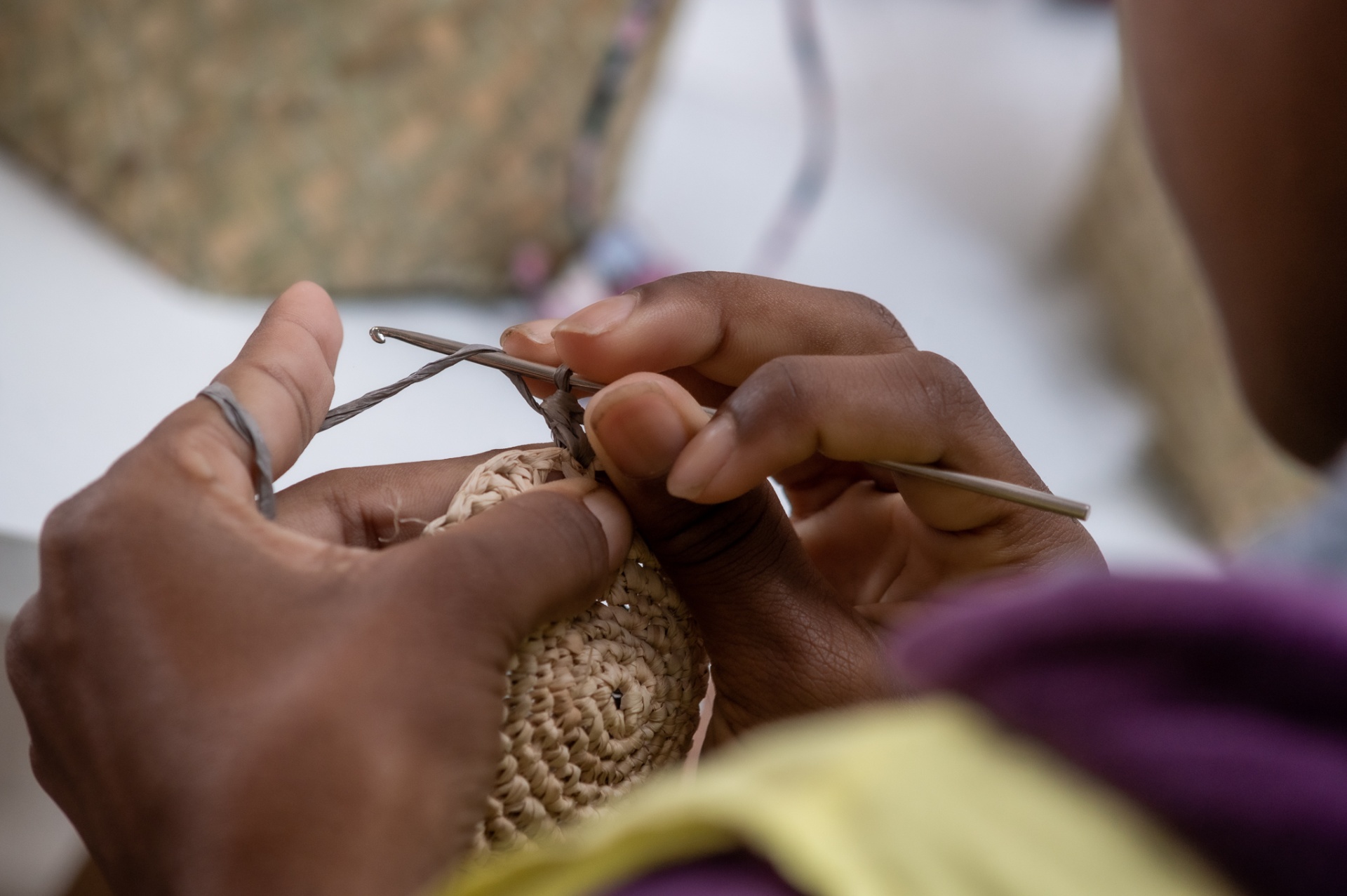
Raffia is not a trend born of one fashion summer: it is a fibre worked in Madagascar for several centuries. Understanding its history helps explain why the Great Island is a recognised reference for this fibre, and why the workshop gestures — crochet, braiding, weaving — have reached a level few other regions have attained.
18th century: raffia in the Merina kingdom
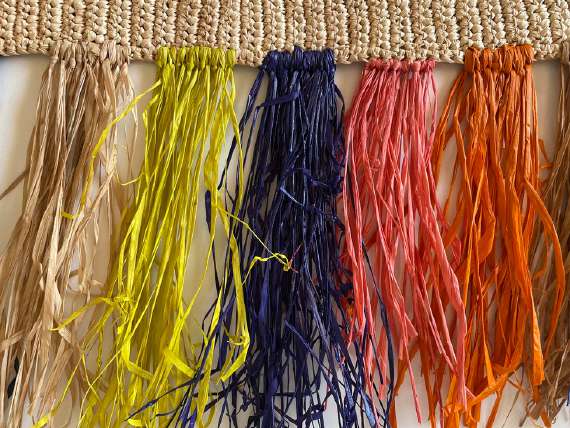
Under the highland kingdoms — Merina in particular — woven raffia (rabane) and raffia lambas are worn at court, exchanged as dowry and used in funerary rituals (famadihana). The fibre is already sorted by gauge, dyed from native plants and braided into large pieces. The know-how is passed down in the villages of Vakinankaratra and Analamanga, around Antananarivo.
19th century: export to Europe
Madagascar's commercial opening under Radama I, then French colonisation at the end of the 19th century, structure an export chain: raffia goes to Marseille, where it is used in horticulture (vine tying, grafting), gift-wrapping and basketry. The Malagasy fibre prevails over continental African raffias thanks to its length and evenness.
20th century: hats and beach bags
After 1945, European hat-making massively adopts Madagascar raffia for boaters, wide-brims and bucket hats. In the 1960s–70s, the vogue for natural accessories carries raffia onto the beaches of southern France and the Italian Riviera. It becomes the material of the bourgeois beach bag, exported in volume to Cannes, Portofino and Saint-Tropez.
2010s–2020s: couture revival
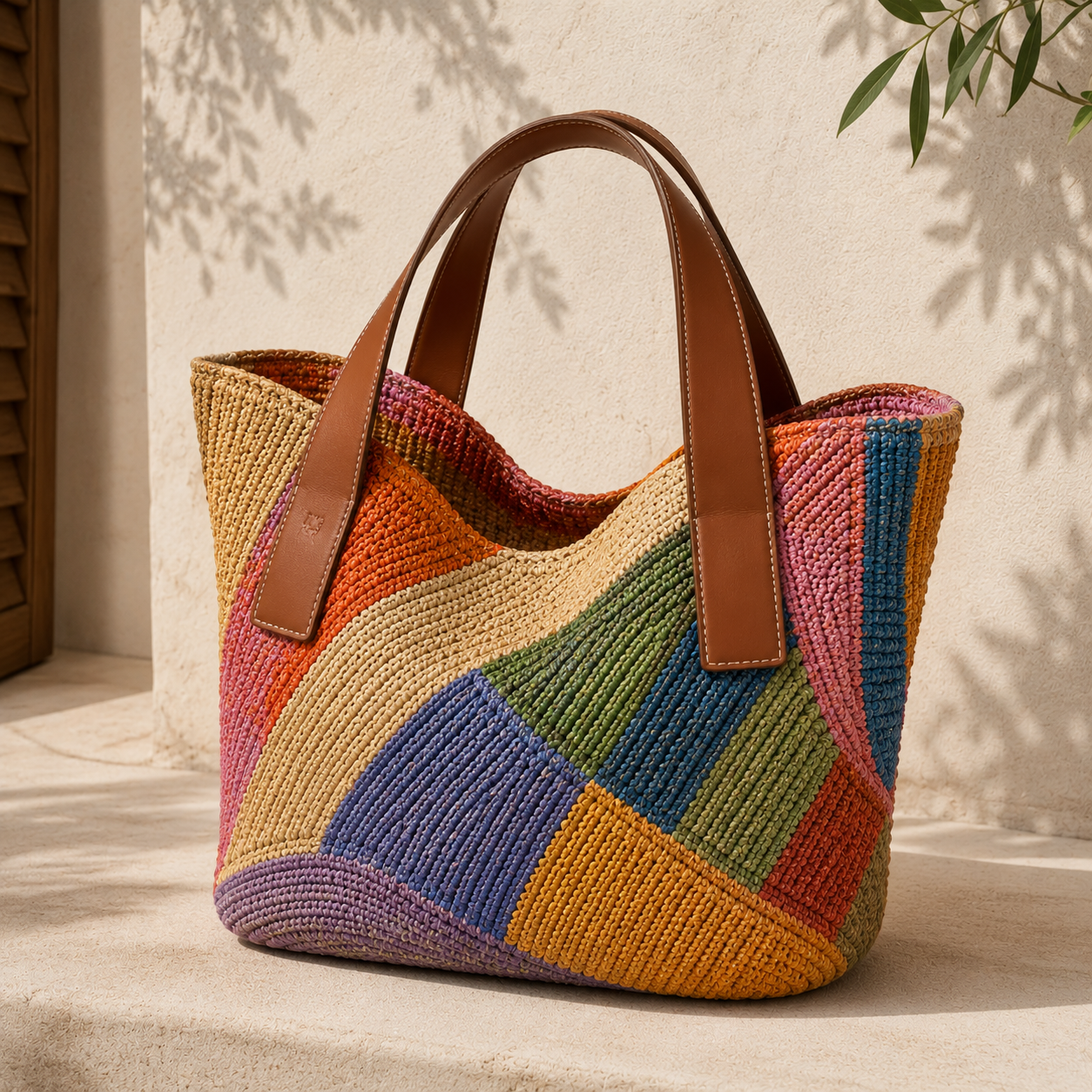
The convergence of three trends — natural material, identified craft, ethical sourcing — puts raffia back at the centre of couture wardrobes. Several major fashion houses, including Bonpoint, integrate raffia into their collections. Fine crochet, historically practised in Malagasy villages, becomes a product differentiator. Antananarivo workshops move from raw-fibre supplier status to couture contract manufacturer.
Today: the SOBIKA workshop
SOBIKA inherits this legacy directly: a workshop in Antananarivo, artisans trained in fine crochet, the industrial framework of LOI Confection, and the capacity to run from prototype to several-thousand-piece series. Raffia there is what it has always been in Madagascar — a noble, long, hand-patinated fibre — but with the tools of a contemporary production house: development office, per-lot QC, export logistics, social and environmental compliance.
Read next