Craftsmanship
Raffia crochet in Madagascar: an exceptional craft for luxury houses
Published on · 11 min read
Why leading fashion houses produce their crochet raffia bags in Madagascar: techniques, quality control and SOBIKA capacity.
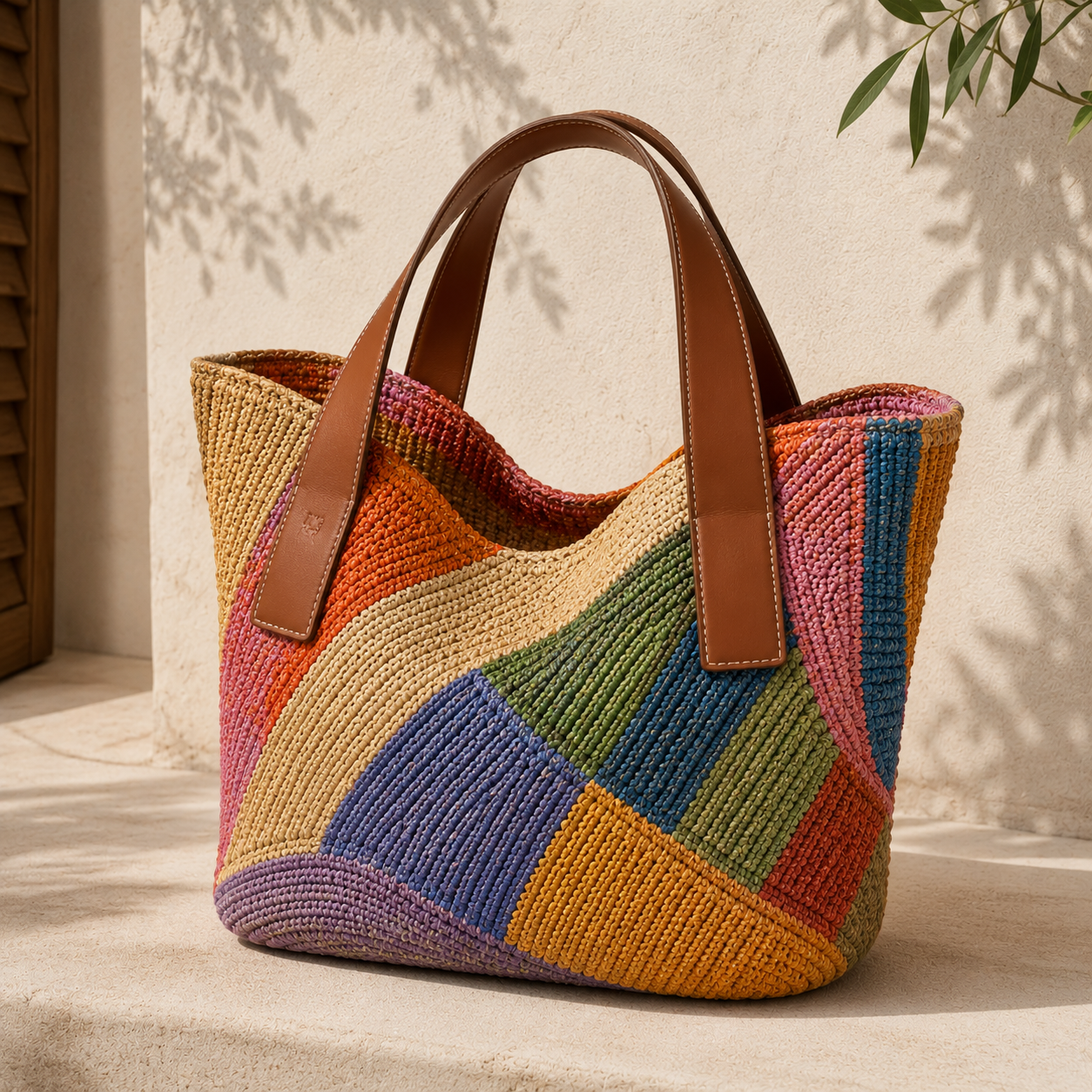
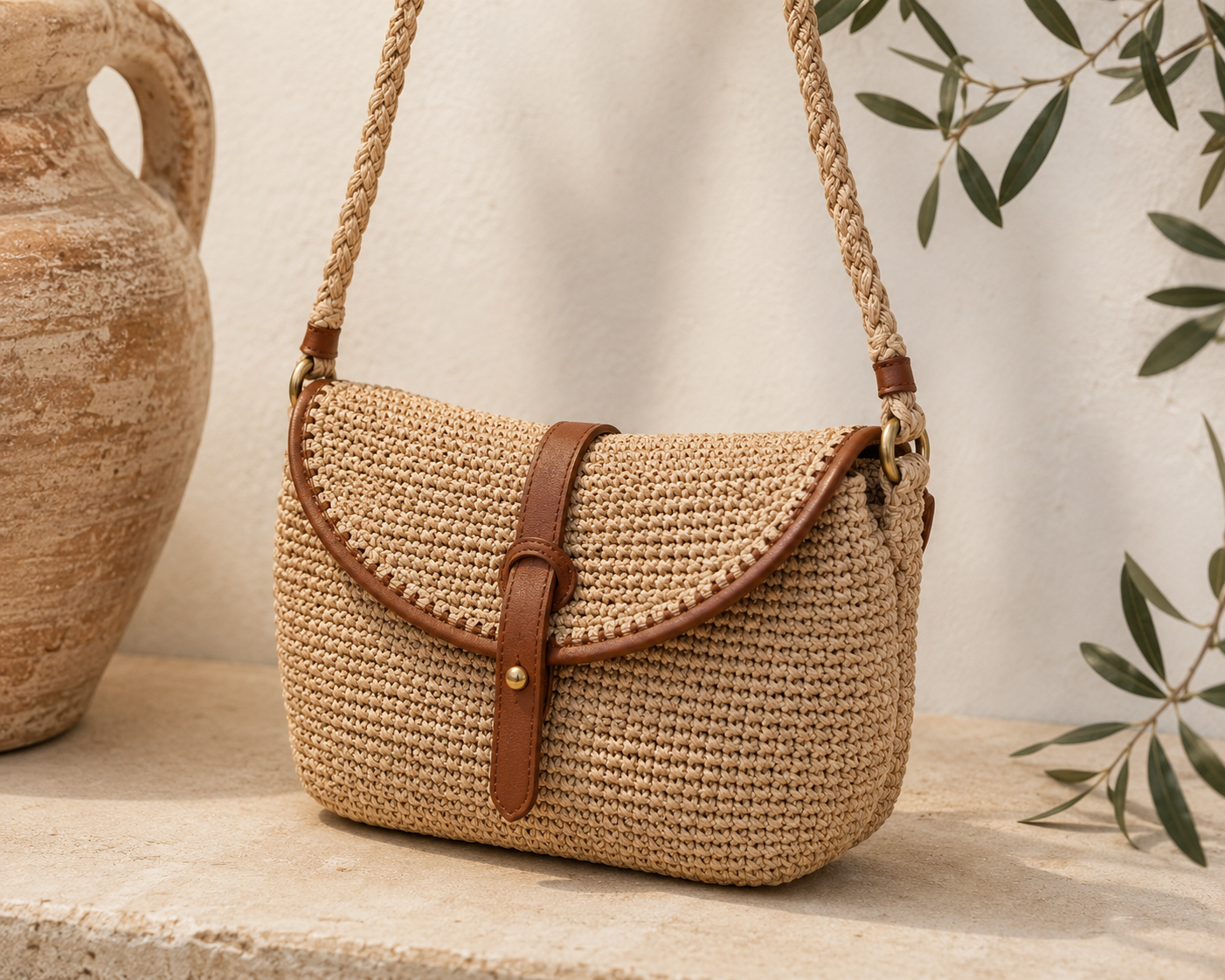
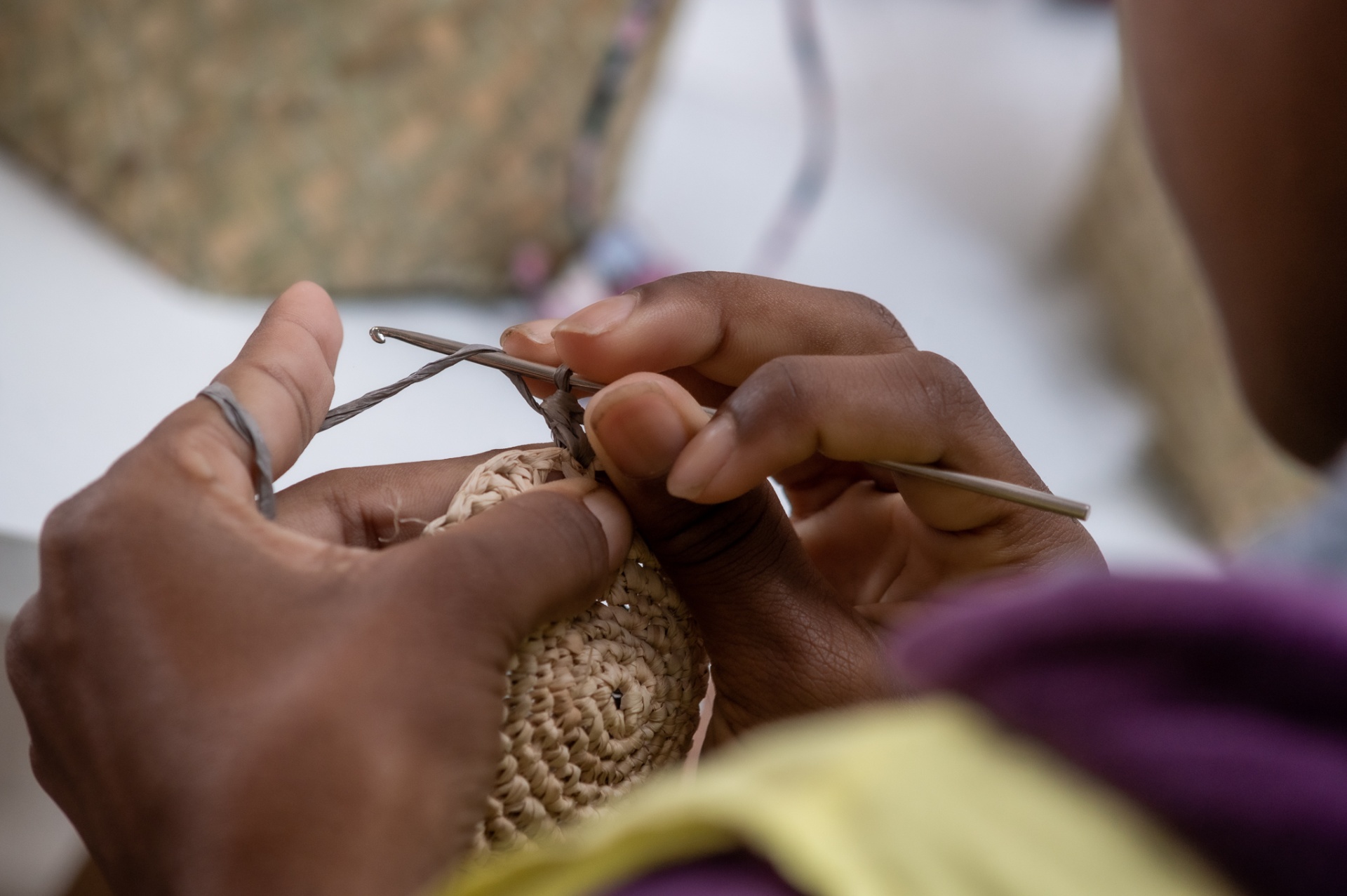
Crocheting raffia is one of the most demanding techniques in plant-based leather goods. Over recent decades Madagascar has become a world reference and concentrates a major share of the crocheted raffia bag production destined for European fashion houses. Behind every piece lie dozens of hours of manual work, tight quality control and know-how passed from one generation of artisans to the next.
Why Madagascar concentrates the world's production
The Raphia farinifera palm, harvested in Madagascar, yields a fibre renowned for its length, suppleness and regularity. Combined with a living tradition of crochet and braiding — especially dense around Antananarivo and on the east coast — this raw material makes Madagascar one of the few geographies able to industrialise high-end raffia crochet without sacrificing artisanal quality.
Crochet techniques mastered in the SOBIKA workshop
- Tight flat crochet for structured bag bodies (tote, bucket).
- Open crochet for clutches and lighter summer pieces.
- Textured crochet (fancy and waffle stitches) for limited editions.
- Two-tone and intarsia crochet for contemporary graphic patterns.
- Hand-stitched leather finishing for handles, reinforcements and loops.
Production times and capacity
Depending on size and complexity, a crocheted raffia bag requires between 25 and 80 hours per piece. The SOBIKA workshop brings together more than 200 artisans trained in crochet, allowing it to handle orders of 500 to 5,000 pieces on industrial cycles of 8 to 14 weeks, with no external subcontracting.
Quality and control
Each piece undergoes three checks: stitch tension, colour consistency and alignment of leather reinforcements. Off-cuts are systematically reintegrated as patchwork or pouches, in line with our zero-waste approach. Protocols match the specifications of our partner houses (Agnès b., Bonpoint, Tartine et Chocolat, Il Gufo, Jacadi).
From raw fibre to the first stitch: the invisible steps
Long before the first stitch is formed, raffia goes through a transformation chain that determines 80 % of the final quality. Raphia farinifera leaves are harvested in the dry season, just before full maturity, to preserve fibre length and elasticity. They are then defibred by hand, flat-dried in the shade for five to seven days and sorted into thickness grades. This upstream selection ensures a regularity of tension that uncalibrated raffia cannot deliver.
Calibration and natural lubrication
Before crocheting, each strand is lightly dampened to soften the fibre and reduce breakage on tight stitches. The most experienced artisans can hold an even tension over long working sessions — essential for a bag to keep its shape once loaded.
Why machine crochet cannot replace hand crochet
Several workshops in South-East Asia have tried to mechanise raffia crochet. All failed on three counts: unlike cotton or polyester, raffia is discontinuous (average 1.2 m per strand) and demands a manual join on every length; structured shapes (buckets, reinforced handles) require stitch changes no industrial machine can manage without human input; and machine knit tolerates no natural irregularity in the fibre, where a trained hand adapts continuously. That adaptability is the visual signature of Madagascar-made crochet.
Which piece for which season?
- Spring-summer: airy bucket bag, flat clutch, oversized beach tote — open stitches, light tones (ecru, sand, powder indigo).
- Autumn-winter: leather-lined structured tote, trapeze bag, mini cross-body — tight stitches, deep tones (terracotta, cocoa brown, ash black).
- Editorial capsules: two-tone intarsia, hand embroidery on crocheted ground, tonal metal-and-leather hardware.
Working with a raffia maker
MOQ from 300 pieces per reference, prototyping in 3 to 4 weeks, palette of 24 natural shades in stock. SOBIKA supports design offices from material selection through to EU customs compliance (REACH, composition labelling, CITES certificates where required for exotic trims).
A crocheted bag from Madagascar is between 25 and 80 hours of human hands. That density of work justifies the luxury positioning and makes the product impossible to copy identically.
Read next